9+ curated guides • Updated September 2025
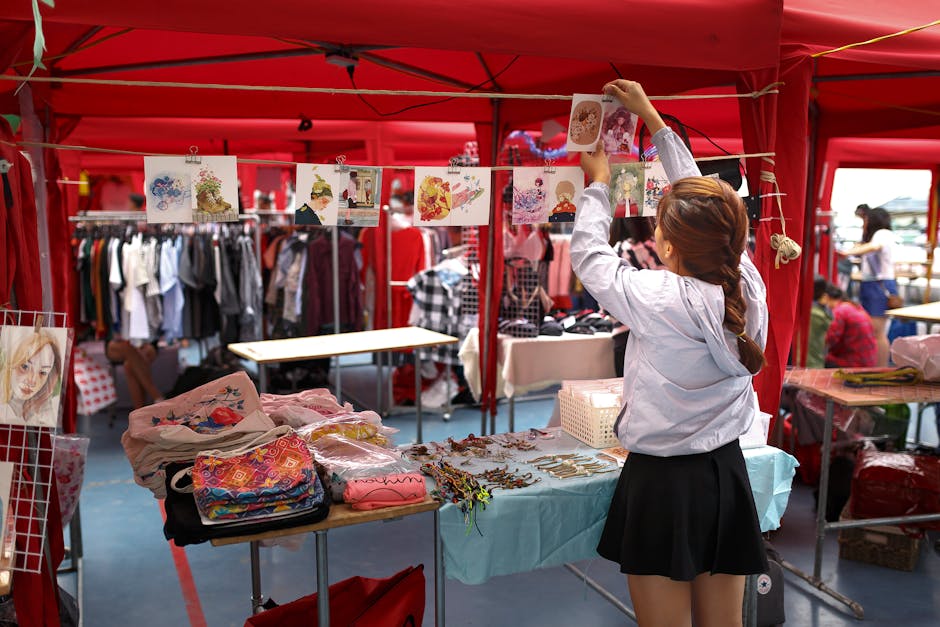
You've scrolled through a thousand identical gold-plated hoops and mass-produced beaded bracelets, feeling nothing. What if the most compelling accessory wasn't the one that followed a trend, but the one that carried a story? This guide isn't just a list of stores; it's a curated collection of portals to pieces with provenance, soul, and a history waiting to be worn. As a style anthropologist, I've observed that we've been conditioned to see accessories as disposable punctuation marks to an outfit. But their true power lies in their ability to be anchors—to a memory, a place, a person, or a craft. This guide bypasses the digital noise of fast fashion to spotlight nine archetypes of retailers who treat their collections not as inventory, but as a museum of wearable art. Here, you won't find what's 'in'; you'll find what lasts.
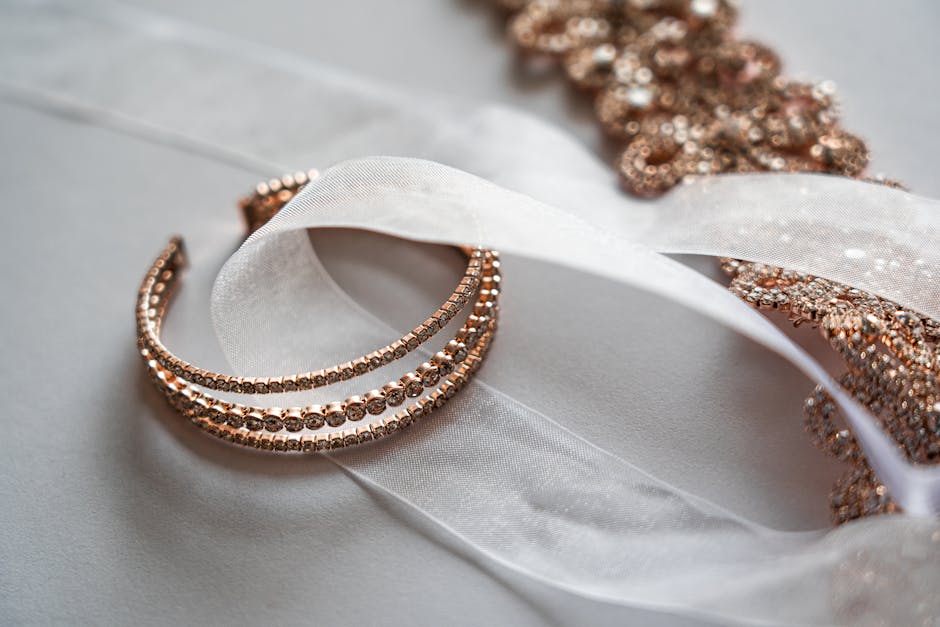
A 20-gram gold necklace is a significant purchase, but are you getting the most out of every single gram? Many buyers focus on the current price, not realizing that certain designs can make your necklace look far more substantial and luxurious, while others quietly diminish its value through hidden costs. This guide exposes the jeweler's secrets to choosing a piece that's both a stunning statement and a smarter asset. As someone who views gold not just as an adornment but as a wearable, appreciable asset, I see the common mistakes investors make. They fixate on purity and weight, which are crucial, but they completely ignore the third pillar of a smart jewelry purchase: design efficiency. We're not just buying a bullion bar to wear around our neck; we're investing in craftsmanship and presence. Let's delve into how to make those 20 grams perform like 40.
You searched for 'breakfast delivery near me' looking for convenience, but what if that search could unlock an extra hour of deep work? Most people see it as a lazy luxury; we see it as a productivity investment. Before you tap 'order' on that bagel, let's explore how to make your first meal of the day a strategic choice that pays dividends until dinner. This isn't about saving five minutes of cooking; it's about executing a high-leverage arbitrage play on your morning. By outsourcing the logistics of your first meal, you're not just buying food—you're buying back cognitive bandwidth, decision-making energy, and the most valuable asset of all: uninterrupted time. We will deconstruct how to weaponize your breakfast order to build a better, more effective day from the very first bite.
Before you even see the iconic 'H,' you hear it. A crisp, definitive 'clic' that signifies both closure and entry into a world of luxury. But this sound isn't an accident; it's a meticulously engineered experience that says more about the Hermès Clic H bracelet than its enamel color ever could. This is not a piece of jewelry in the traditional sense; it's a triumph of haptic and acoustic design, a small machine for the wrist. While others focus on the enamel shades or the palladium versus gold-plated hardware, they are missing the soul of the object. The true luxury of the Clic H isn't just in how it looks, but in how it feels and sounds. We will deconstruct the microscopic decisions and mechanical intricacies that culminate in that single, resonant sound—a sound that has become a non-visual signature of the Hermès maison.
You know the feeling: the delivery driver arrives, you eagerly open the bag, and you're met with the disappointment of limp, lukewarm fries. We decided to declare war on this universal tragedy by ordering from every major delivery service to answer one crucial question: Who can actually get a perfect McDonald's order to your door? The french fry is a delicate marvel of food science—a golden, crispy exterior protecting a fluffy, potato-rich interior. But its perfection is fleeting. We treated this not as a simple taste test, but as a forensic investigation into the logistics of modern convenience. This is the Soggy Fry Test.
In an era of fleeting trends and fast fashion, we rarely consider if a new pair of socks or a scarf will outlive us. But what if a luxury accessory was designed not just for this season, but for the next generation? Maxhosa's intricate accessories challenge us to look beyond their price tag and see them for what they truly are: the beginning of a new family legacy, woven with the stories of a continent. This is not about acquiring another item for your wardrobe; it is about becoming the first custodian of an artifact. It’s a profound mental shift from consumer to curator, where a simple purchase becomes an act of cultural preservation and future storytelling.
Forget the paparazzi shots outside Carbone. The true celebrity experience in New York isn't about being seen—it's about the intricate system that allows them to disappear. What if the most exclusive spots aren't the ones with a velvet rope, but the ones you'd walk right by without a second glance? This isn't a guide for autograph hunters. It's a look under the hood at the city's real social machinery, the invisible infrastructure of normalcy that allows people who live their lives under a global microscope to simply... be. It's a map not of locations, but of an unspoken treaty between the famous and the city that, for the right price and the right attitude, agrees to look the other way.
In 2023, our handbags are having an identity crisis. On one shoulder, we see the rise of the cavernous, 'prepared-for-anything' tote, while on the other, the tiny, impractical micro-bag reigns supreme. This isn't just fashion; it's a fascinating cultural tug-of-war between our need for control in a chaotic world and our desire for carefree minimalism. We are not merely choosing an accessory; we are subconsciously choosing an emotional state. This sartorial schizophrenia reveals a deeper collective unpacking of our anxieties, aspirations, and the conflicting selves we wish to be as we navigate a world that feels both more precarious and more precious than ever before.
We’ve been taught that luxury is meant to be seen—the unmistakable logo on a handbag, the flash of a designer watch. But what if the most profound luxury is the kind no one else ever notices? This is the world of private indulgence, where the ultimate status symbol is a secret kept only for yourself. For years, I navigated the gilded halls of heritage brands, watching fortunes being spent on items designed to broadcast success. Yet, the clients I most admired were the ones who purchased for an audience of one. They understood that true luxury isn't a shout; it's a whisper. It's the intimate dialogue between you and a beautifully crafted object, a conversation no one else needs to overhear.